


Choosing an orthopedic surgeon is an important decision when pain, injury, or reduced mobility is affecting everyday life. The right choice is not necessarily based on who recommends surgery most quickly. A useful orthopedic consultation should first establish what is causing the symptoms and whether surgery is actually required.
For patients in Pune, Maharashtra, orthopedic care can cover a broad spectrum, including fractures, trauma, sports injuries, ligament injuries, knee and shoulder problems, hand and foot conditions, spine problems, arthroscopy, and joint replacement. The expertise needed may vary according to the diagnosis.
Before selecting a provider, patients can consider several practical factors.
Look for care relevant to your condition. A person with an acute fracture has different requirements from someone considering elective knee replacement. Similarly, sports-related ligament instability may require different assessment and rehabilitation planning from chronic joint pain.
Expect a diagnosis before a treatment decision. The consultation should include a clear history and physical examination. Imaging or investigations may be recommended where appropriate, but tests should be interpreted alongside symptoms and clinical findings.
Ask whether non-surgical options are appropriate. Orthopedic care does not always lead to surgery. Depending on the condition, treatment can include medication, immobilization, physiotherapy, rehabilitation, activity modification, or observation.
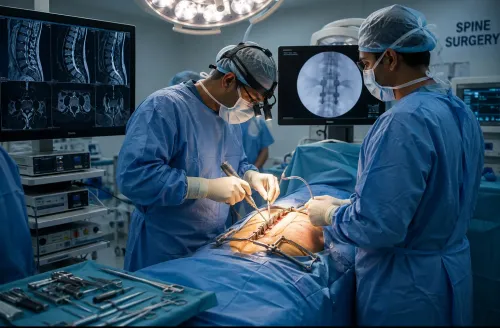
Understand why surgery is being suggested. When an operation is recommended, patients should know what structural problem it is intended to address. They should also understand alternatives, potential benefits, relevant risks, expected recovery, and rehabilitation requirements.
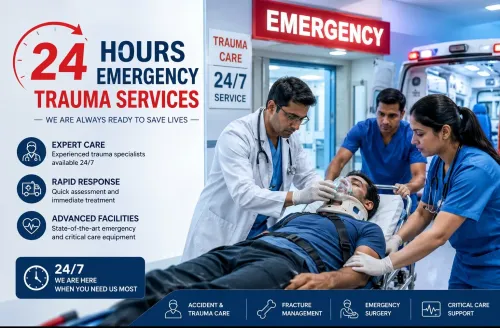
Consider trauma readiness when the problem is urgent. Accident-related orthopedic injuries can involve more than one bone or joint and may occur alongside wounds or other injuries. Timely evaluation and appropriate diagnostic facilities become particularly important in these circumstances.
Discuss recovery, not just the procedure. Successful orthopedic treatment often includes postoperative or post-injury rehabilitation. Patients should know when they may be able to walk, work, drive, exercise, or resume other activities, while recognizing that individual recovery varies.
Isha Trauma Care in Pune provides orthopedic and trauma care for patients experiencing fractures, joint conditions, and musculoskeletal injuries. Patients evaluating the hospital can discuss the nature of their problem, available treatment pathways, and whether specialist surgical care is appropriate for their particular diagnosis.
Another useful consideration is communication. Medical terminology can be difficult to understand, particularly after an unexpected accident. Patients should feel able to ask what an X-ray or MRI shows, why a treatment is being recommended, and what could happen if treatment is delayed or avoided.
For planned surgery, it is also reasonable to discuss medical fitness, anaesthesia, hospital stay, rehabilitation, wound care, follow-up, and warning signs after discharge.
Choosing orthopedic care should ultimately be based on the match between the patient's condition and the treatment expertise required. Clear diagnosis, appropriate investigations, explanation of alternatives, realistic recovery planning, and continuity of care are stronger indicators of readiness than promotional claims.
For Pune patients, preparing a short list of symptoms, previous treatments, medications, imaging reports, and questions before the consultation can make the evaluation more productive and support informed decision-making.