
Knee or shoulder pain does not automatically make arthroscopy the right answer, and a small incision does not guarantee a short recovery. You will learn what the operation involves, which conditions gain the most from it, when non-surgical care remains wiser, and what to ask before arranging treatment in Pune.
Key takeaways
- Small portals can reduce tissue disruption, but treatment determines the outcome.
- Knee arthroscopy benefits depend on the injury, from meniscus tears to ligament damage.
- Shoulder arthroscopy may repair tendons, stabilise the joint, or remove inflamed tissue.
- Ask what the procedure will fix, expected recovery time, and non-surgical alternatives.
What happens during keyhole knee or shoulder surgery?
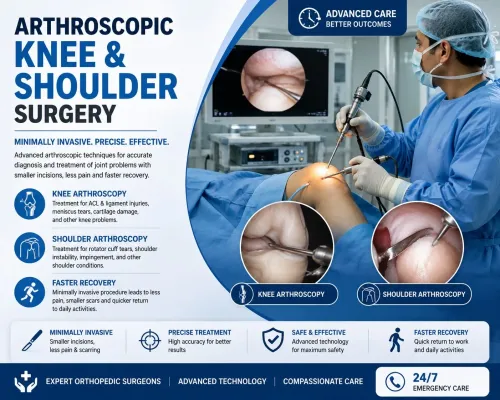
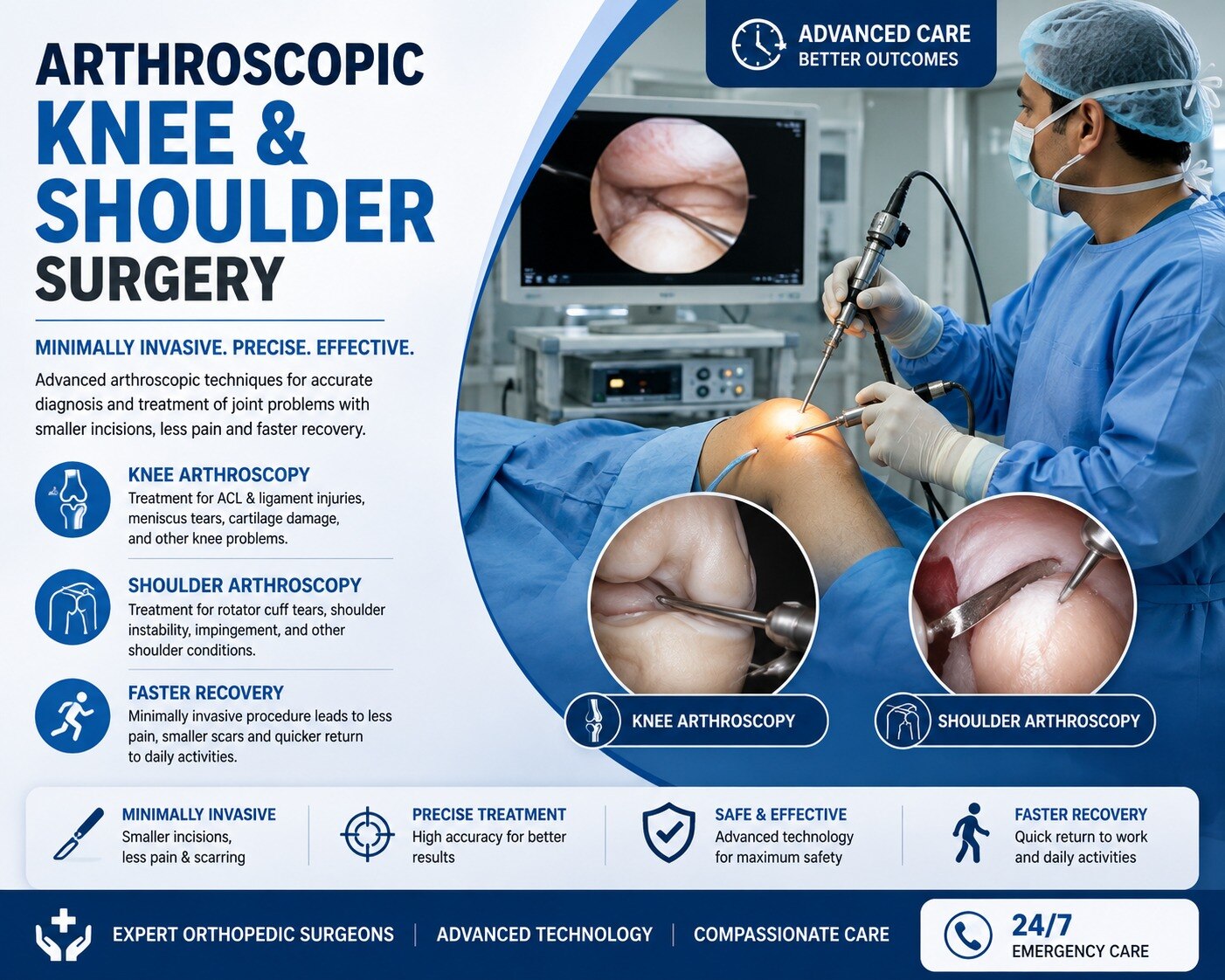
The benefits of arthroscopic surgery in Pune begin with direct access to the joint through small portal incisions rather than one large opening. After anesthesia, the surgeon fills the knee or shoulder with sterile fluid to improve visibility, then guides a camera through one portal and instruments through others.
- The camera inspects cartilage, menisci, ligaments and synovium in the knee, or the labrum, rotator cuff surface, bursa and cartilage in the shoulder.
- Instruments can remove loose tissue, trim a damaged edge, repair a meniscus, labrum, ligament or rotator cuff, smooth selected cartilage damage, or clear inflamed synovium.
- The surgeon may diagnose and treat the problem during one operation, but seeing damage does not guarantee that it can be repaired through the portals.
- After treatment, the instruments and fluid are removed, the portals are closed with sutures or adhesive strips, and a dressing is applied.
Arthroscopy is still surgery, with anesthesia, infection, bleeding, blood-clot, nerve and joint-stiffness risks. Early recovery includes pain control, dressing care, prescribed exercises and weight-bearing or sling instructions.
Same-day discharge is common for selected knee procedures, but the operation, anesthesia, pain control, mobility, medical conditions and need for crutches decide whether you can leave—an important issue when travelling across Pune.
Which benefits come from the smaller access—and which come from the treatment?
Small portals usually disrupt less surrounding soft tissue, reduce wound-care work, allow earlier joint movement, and support a shorter hospital stay when the operation and recovery permit. These access benefits may help you resume desk work, driving, or sport sooner, but only after movement, strength, pain control, and safety meet expected milestones.
Treatment creates a different benefit. Removing a loose body can stop catching; repairing a mechanical meniscus, labral, ligament, or rotator-cuff tear can address instability. A camera alone cannot cure pain. The benefits of arthroscopic surgery in Pune depend more on the diagnosis and repairability than on the incision size.
Arthroscopy adds value when:
- A repairable structural problem persists.
- Symptoms limit your work, sport, or daily activity.
- A supervised rehabilitation programme has failed.
| Option | What it offers | Important limitation |
|---|---|---|
| Physiotherapy | Builds strength, movement, and control | Requires consistent rehabilitation |
| Activity modification | Reduces provoking loads | Does not repair a torn structure |
| Medicines or injections | Helps control pain and inflammation | Relief may not correct mechanical catching |
| Bracing or time | Supports selected injuries during healing | Persistent instability can remain |
| Arthroscopy | Removes or repairs selected structural damage | Repairs may require crutches, a brace, sling, or months of rehabilitation |
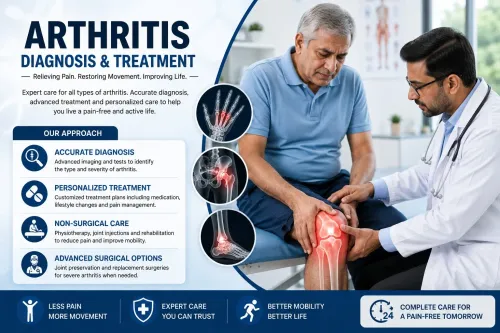
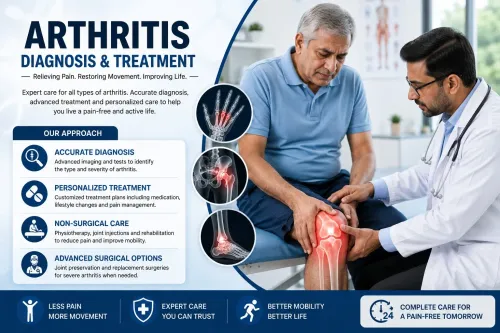
For degenerative knee osteoarthritis, arthroscopy is not a general solution for arthritis pain. Exercise therapy, weight management where appropriate, medication, injections, bracing, and other non-operative care usually deserve priority.
Arthroscopic knee surgery benefits depend on the knee problem
The arthroscopic knee surgery benefits in Pune depend on the actual knee problem, its repairability, and your examination and imaging—not on the word “keyhole” alone. MRI findings, X-rays, swelling, movement, and stability tests help determine whether surgery addresses the cause.
- Meniscus tear: Repair preserves more meniscal tissue and may better protect long-term joint function. Expect restricted loading, a brace or crutches, and longer rehabilitation. Trimming a non-repairable torn section can speed early recovery, but it removes tissue.
- ACL tear: Arthroscopic reconstruction can restore stability and treat associated meniscus or cartilage damage. Return to sport still takes many months and requires strength, movement-control, and sport-specific testing.
- Loose body: Removal can reduce true catching or locking when a fragment blocks joint movement.
- Cartilage lesion: Selected defects can receive targeted treatment, but cartilage damage and arthritis are not interchangeable diagnoses.
- Synovial problem: Arthroscopy can assess and treat selected inflamed or abnormal synovium.
For someone considering keyhole knee surgery in Pune, persistent swelling, true locking, giving way, failed rehabilitation, job demands, and activity goals all influence the recommendation. A repair may protect tissue but demand months of protection; a simpler removal may restore movement sooner while sacrificing tissue.
Ask which finding on your scan explains the symptoms, what non-surgical care remains reasonable, and what loading, driving, work, and sport restrictions follow the proposed procedure.
Arthroscopic shoulder surgery benefits vary by the repair performed
The recovery depends on the shoulder operation, not simply on the word “arthroscopy.” The main arthroscopic shoulder surgery benefits include smaller access incisions, less disruption to surrounding tissue, and direct treatment of the problem, but each repair creates different protection requirements.
1. Rotator cuff repair can reattach the tendon to bone while the surgeon treats bursitis or damaged tissue in the same procedure. Pain may settle before strength and overhead movement return because the tendon still needs biological healing to bone.
A sling and structured physiotherapy are common, and driving, work, and sport may remain restricted for months.
2. Arthroscopic stabilisation can repair a torn labrum and tighten stretched tissue when recurrent dislocation comes from instability. Bone loss, contact-sport exposure, younger age, poor tissue quality, or repeated dislocation can make open stabilisation or a bone-block procedure more suitable.
3. Debridement removes loose tissue or bone and can address selected impingement-related problems. It usually needs less protection than a cuff or labral repair, so sling use and movement progression may be shorter.
Ask the surgeon to name the exact procedure and give separate timelines for sling use, physiotherapy, driving, work, and sport. A smaller incision does not make a rotator cuff or labral repair minor. Pain improvement also does not prove that the shoulder has regained healing strength.
How to decide whether arthroscopy is worth it in Pune
Arthroscopy is worth considering when a specific structural problem matches your symptoms and has not improved with appropriate non-surgical care.
The benefits of arthroscopic surgery in Pune depend on the examination, X-rays or MRI, symptom duration, persistent pain or swelling, mechanical locking or instability, failed rehabilitation, injury demands, age, activity level, and overall health—not the word “keyhole.”
1. Ask for the exact pathology and procedure name. “Keyhole knee surgery in Pune” could mean meniscus repair, ACL reconstruction, loose-body removal, or another operation, each with different recovery demands.
2. Ask what remains reasonable without surgery, including physiotherapy, activity changes, medication, bracing, or injections, and what result to expect if you wait.
3. Ask whether an open repair would be safer or more durable. Smaller incisions do not make ACL, meniscus, labral, or rotator cuff repair minor.
4. Ask for milestones: wound review, walking or sling limits, driving, work, sport, physiotherapy, and the protection required for the repair to heal.
5. Ask about anesthesia, infection, bleeding, blood clots, nerve injury, stiffness, and the plan if pain or mobility problems delay discharge.
If you travel across Pune, confirm who will handle wound checks, early review, crutches or sling instructions, and physiotherapy near home. Isha Trauma Care Hospital in Kharadi, Thite Nagar can help you discuss these decisions with an orthopedic team and plan follow-up around the actual repair.
Related services
ARTHROSCOPIC KNEE & SHOULDER SURGERY ARTHROSCOPIC KNEE & SHOULDER SURGERY Our Arthroscopic Knee & Shoulder Surgery services offer advanced, minimally invasive treatment for a wide range of joint problems and sports-related... View service → |
Sports Medicine Advanced arthroscopic surgery and sports injury rehabilitation at Isha Trauma Care, Kharadi. View service → |
Frequently asked questions
What happens during keyhole knee or shoulder surgery?
After anesthesia, the surgeon fills the joint with sterile fluid, inserts a camera through one small portal, and uses instruments through additional portals to diagnose or treat the problem.
Which benefits come from smaller access, and which come from the treatment?
Small portals can mean less disruption to surrounding tissue and smaller scars. Pain relief, improved stability, and restored movement come from the specific repair or treatment performed inside the joint.
What are the benefits of arthroscopic knee surgery in Pune?
Benefits depend on the knee problem. Arthroscopy can help treat selected meniscus tears, ligament injuries, cartilage damage, and inflamed joint tissue when the procedure matches the diagnosis.
What are the benefits of arthroscopic shoulder surgery?
Benefits vary by the repair performed. Shoulder arthroscopy can address rotator cuff tears, shoulder instability, impingement, or inflamed tissue, with recovery shaped by the procedure.
How do you decide whether arthroscopy is worth it in Pune?
Compare the confirmed diagnosis, expected improvement, rehabilitation commitment, surgical risks, and non-surgical options with an orthopedic surgeon before choosing arthroscopy.