

Healthy bones and joints influence almost every physical activity, from walking and climbing stairs to working, exercising, and performing routine household tasks. Problems often become noticeable only when pain, stiffness, weakness, or reduced movement begins interfering with daily life. Paying attention to bone and joint health before significant limitations develop can therefore be valuable at every stage of adulthood.
In Pune and other urban parts of Maharashtra, working patterns can involve long periods of sitting, commuting, repetitive movements, or inconsistent physical activity. At the same time, recreational running, gym workouts, cycling, trekking, and sports can place different demands on the musculoskeletal system. Neither inactivity nor excessive exercise without adequate conditioning is ideal for long-term joint health.
Several everyday habits can help support bones and joints.
Regular physical activity matters. Weight-bearing activities such as walking and appropriate resistance exercises can contribute to bone and muscle strength. Mobility and flexibility exercises may also help maintain comfortable joint movement. Exercise intensity should be appropriate for age, fitness level, previous injuries, and existing joint conditions.
Muscle strength provides joint support. Strong muscles around the knees, shoulders, hips, and spine can help control movement and distribute physical loads. Weakness in surrounding muscles may affect movement patterns and increase strain during certain activities.
Nutrition also plays an important role. Adequate protein, calcium, vitamin D, and other nutrients are relevant to bone and muscle health. Individual nutritional requirements vary, so people with deficiencies or particular health conditions may require personalized medical advice rather than relying on supplements without assessment.
Body weight can influence load-bearing joints. The knees, hips, ankles, and feet experience repeated loads throughout the day. Maintaining an appropriate body weight may reduce unnecessary mechanical stress, particularly for people experiencing knee or hip discomfort.
Joint pain should also be interpreted carefully. Pain does not always mean that the joint is permanently damaged. It can arise from muscles, tendons, ligaments, cartilage, inflammation, overuse, previous injuries, or degenerative changes. The location, duration, triggers, swelling, and effect on movement all help determine what may be happening.
An orthopedic evaluation may be appropriate when pain persists, repeatedly returns, follows an injury, causes instability, or limits normal activities. Symptoms such as significant swelling, inability to bear weight, deformity, fever with a swollen joint, or severe pain after trauma warrant more urgent attention.
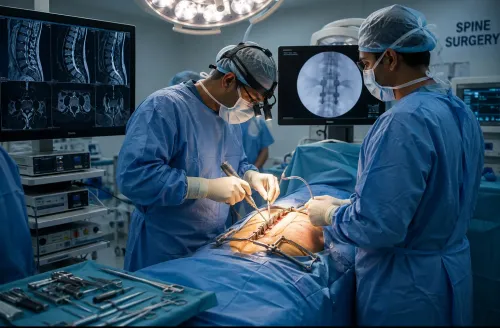
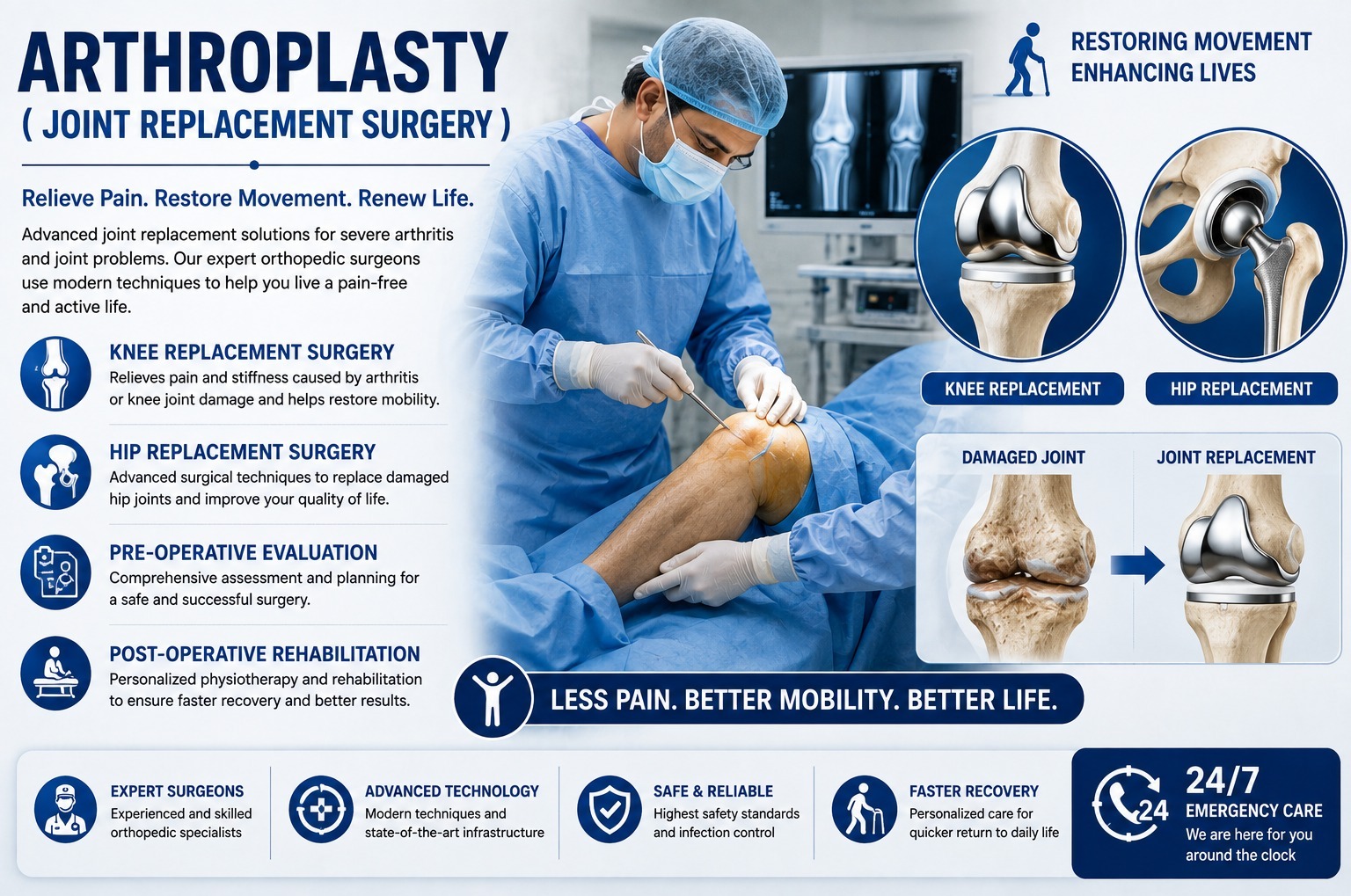
Isha Trauma Care in Pune evaluates orthopedic concerns involving bones, joints, injuries, and movement-related problems. Depending on the symptoms, assessment may involve clinical examination and imaging before treatment options are considered.
One common mistake is waiting until discomfort becomes severe before modifying activity or investigating recurring symptoms. Another is completely avoiding movement because of mild joint discomfort without understanding its cause. Both approaches can create problems.
Bone and joint health is best approached as a long-term process. Appropriate exercise, good movement habits, adequate nutrition, injury prevention, and timely assessment of persistent symptoms can help people maintain mobility and independence. For Pune residents with active work and lifestyle demands, understanding these basics can make everyday decisions about musculoskeletal health more informed.