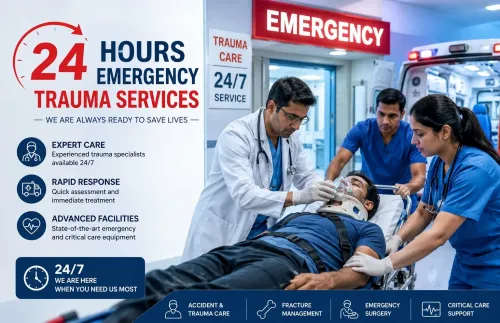

After an accident, the most visible injury is not always the only important one. Road traffic incidents, falls from height, workplace accidents, sports collisions, and other high-impact events can cause fractures, joint injuries, ligament damage, wounds, and soft-tissue trauma at the same time.
In a busy city such as Pune, road and workplace injuries can create situations where patients and families must quickly decide whether an injury needs urgent medical attention. Understanding a few warning signs can help.
Urgent evaluation is particularly important when an injured person has:
- Severe or increasing pain
- Visible limb deformity
- An open wound over a suspected fracture
- Inability to stand or use the affected limb
- Heavy bleeding
- Numbness or loss of sensation
- Pale, blue, or cold fingers or toes
- Significant swelling after trauma
- Suspected spine injury
- Multiple areas of injury
Loss of consciousness or other significant symptoms following an accident
A person involved in substantial trauma should not be moved unnecessarily when a neck or spine injury is suspected, unless movement is required to avoid an immediate environmental danger.
Orthopedic trauma assessment usually begins by identifying the mechanism of injury and examining the affected area. X-rays can identify many fractures and dislocations. CT scans may provide additional detail in complex fractures, while MRI may be used selectively for ligament, spinal, cartilage, or other soft-tissue concerns.
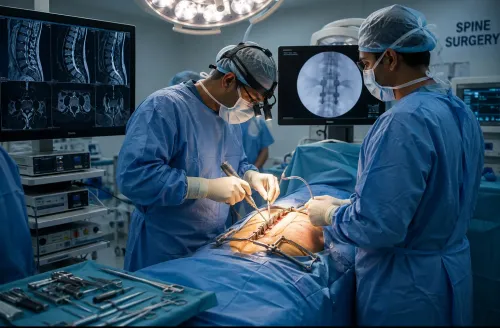
Treatment depends on stability and severity. Some fractures can be immobilized in a splint or cast. Dislocations may require reduction. Unstable or displaced fractures can require surgical fixation. Open fractures require particular attention because the broken bone communicates with a wound, increasing the complexity of treatment and infection risk.
Patients and families should understand that orthopedic trauma care is not limited to "joining the bone." Doctors may also need to assess blood circulation, nerves, skin, muscles, tendons, ligaments, and nearby joints.
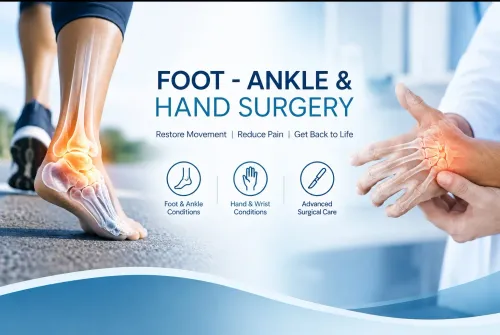
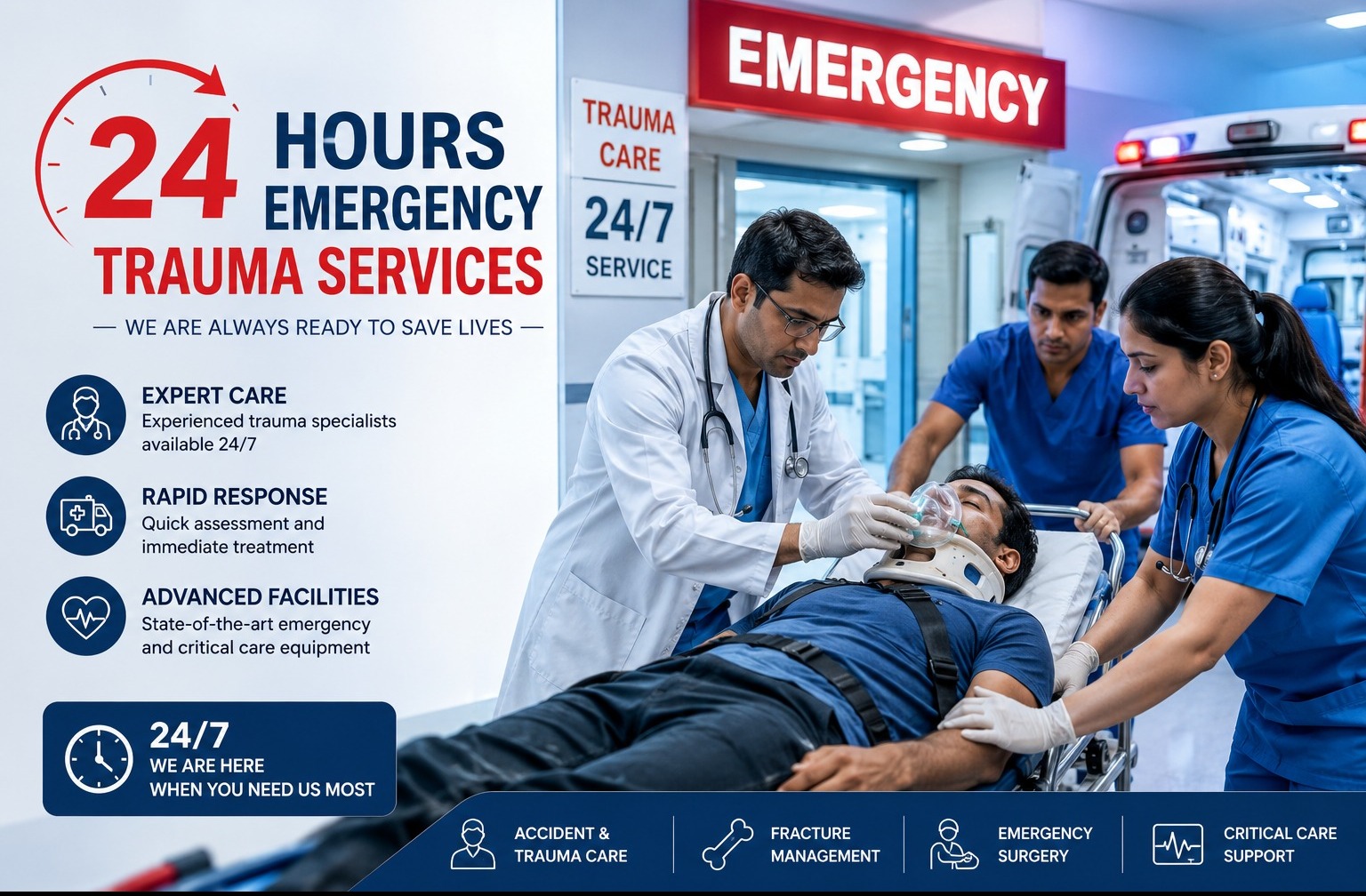
Isha Trauma Care in Pune provides orthopedic and trauma services for patients with accident-related musculoskeletal injuries. When surgery is required, the treatment approach depends on the injury pattern, overall condition of the patient, associated injuries, and functional requirements.
After emergency treatment, follow-up becomes important. Fractures can change position during healing, wounds need monitoring, and prolonged immobilization can contribute to stiffness and weakness.
Scheduled reviews allow the treating team to assess healing and adjust rehabilitation or weight-bearing instructions.
Patients should follow specific guidance about when they can begin walking, exercising, driving, or returning to work. Trying to accelerate recovery without considering bone or soft-tissue healing can create additional problems.
Trauma care is therefore a process rather than a single emergency visit. It begins with identifying potentially serious injuries, continues through stabilization or surgery when necessary, and extends into rehabilitation and functional recovery.
For patients in Pune who have experienced a significant accident, early evaluation is particularly important when there is deformity, inability to use a limb, neurological symptoms, open wounds, or severe persistent pain. Timely diagnosis helps determine which injuries can be treated conservatively and which require more immediate orthopedic intervention.